The Final Chapter of Next TV and the Shifting Landscape of Media Industry Journalism


The landscape of professional journalism focused on the telecommunications, media, and technology (TMT) sectors is undergoing a profound transformation as long-running industry columns like Next TV’s Next Text conclude their tenure under current corporate management. This shift, which sees veteran analysts Daniel Frankel and David Bloom transitioning away from the Future plc content management system, reflects a broader trend of downsizing and the automation of editorial roles across digital media platforms. As these writers migrate their insights to independent newsletters, the industry faces critical questions regarding the future of expert-led analysis in an era increasingly dominated by AI-driven content generation and consolidated media ownership.
The Evolution of Media Coverage and the AI Challenge
The decision to transition Next TV from a traditional editorial platform to a "curated newsletter" model without original reporting signifies a strategic pivot currently being mirrored across the digital publishing industry. This trend is often driven by the search for lower operating costs and the adoption of generative AI tools. Industry analysts observe that the move to automate or curate content using algorithms rather than human journalists poses a risk to the depth and nuance of sector reporting.
A stark example of this technological disruption is the recent announcement that the London-based Evening Standard is considering the use of AI to revive the voice of its late, acerbic art critic, Brian Sewell. This move highlights the industry’s intent to leverage legacy brand equity through synthetic media. For the TMT sector, this suggests that the "Next TV" brand may continue in name, but the intellectual rigor provided by human editors like Frankel and Bloom will be absent, forcing industry professionals to seek out independent, human-centric reporting elsewhere.
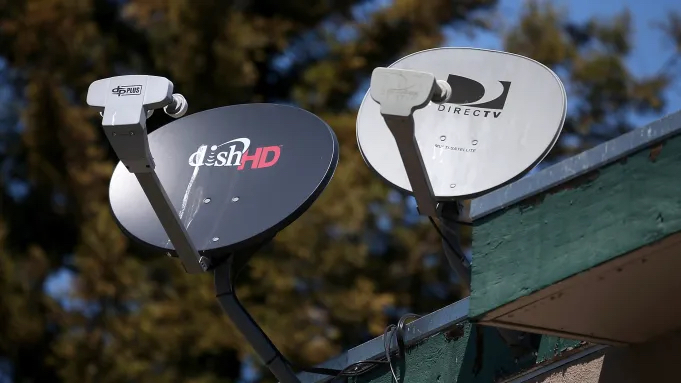
The DirecTV and Dish Network Merger Saga
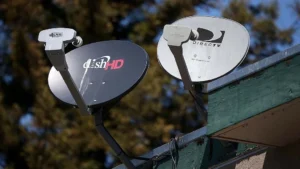
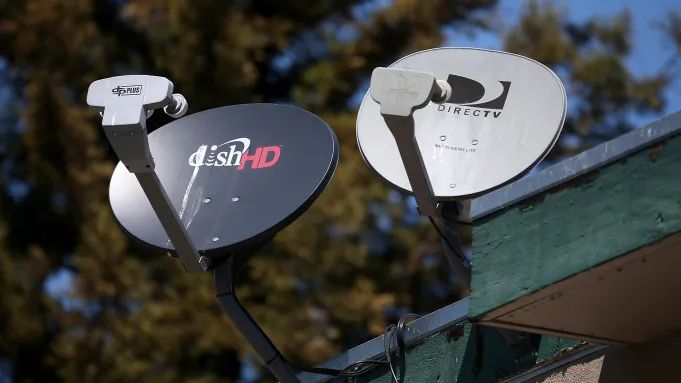
While the editorial transition marks a turning point for media journalists, the industry itself remains locked in a high-stakes struggle for survival. A primary focal point for analysts is the long-anticipated potential merger between DirecTV and Dish Network. For years, the two satellite television giants have explored consolidation as a means to counter the rapid erosion of their subscriber bases due to the cord-cutting phenomenon.
Current market data illustrates the urgency: DirecTV holds approximately 11 million subscribers, while Dish Network maintains just over 8 million. A combination would create the largest linear pay-TV entity in the United States, granting the new company significant leverage in carriage negotiations with major content providers and sports leagues.

However, the path to a merger remains fraught with regulatory obstacles. The Department of Justice (DOJ) has historically scrutinized such consolidations, fearing that the reduction in competition could lead to increased prices for consumers. Despite these concerns, experts suggest that the sheer pressure from streaming services and the rising costs of broadcast rights may compel regulators to adopt a more lenient stance. Projections indicate that the surviving entity might be required to offer wholesale access to third-party providers as a concession, a strategy aimed at maintaining a level of competition while ensuring the operational viability of the merged company’s massive capital expenditure requirements.
Streaming Industry Realities: The View from the Top
John Malone, the influential architect of modern media conglomerates and a power broker behind Warner Bros. Discovery and Charter Communications, has recently offered a sobering assessment of the streaming sector. In discussions with analysts at MoffettNathanson, Malone categorized streaming as a "terrible business," citing the high costs of production and the difficulties in transitioning from legacy linear business models to profitable on-demand services.

The structural challenges are compounded by the aggressive spending on sports rights. For traditional media companies, the inability to create flexible, hybrid, or "skinny" bundles—due to long-standing carriage agreements and regulatory constraints—has limited their ability to compete with tech giants that possess deeper pockets and fewer legacy liabilities. International markets, which are currently testing new, more integrated hybrid-media packages, may provide a blueprint for recovery, but the domestic U.S. market remains heavily constrained.
Hardware and the Processing Power Bottleneck
As the content landscape shifts, so too does the hardware market. The recent release of the Google TV Streamer and the upgraded Roku Ultra signals a move toward high-end, high-performance streaming devices. For years, the market was dominated by the Apple TV, but the entry of Google and Roku into the premium space—marked by higher price points—indicates that consumer demand for processing power is growing.
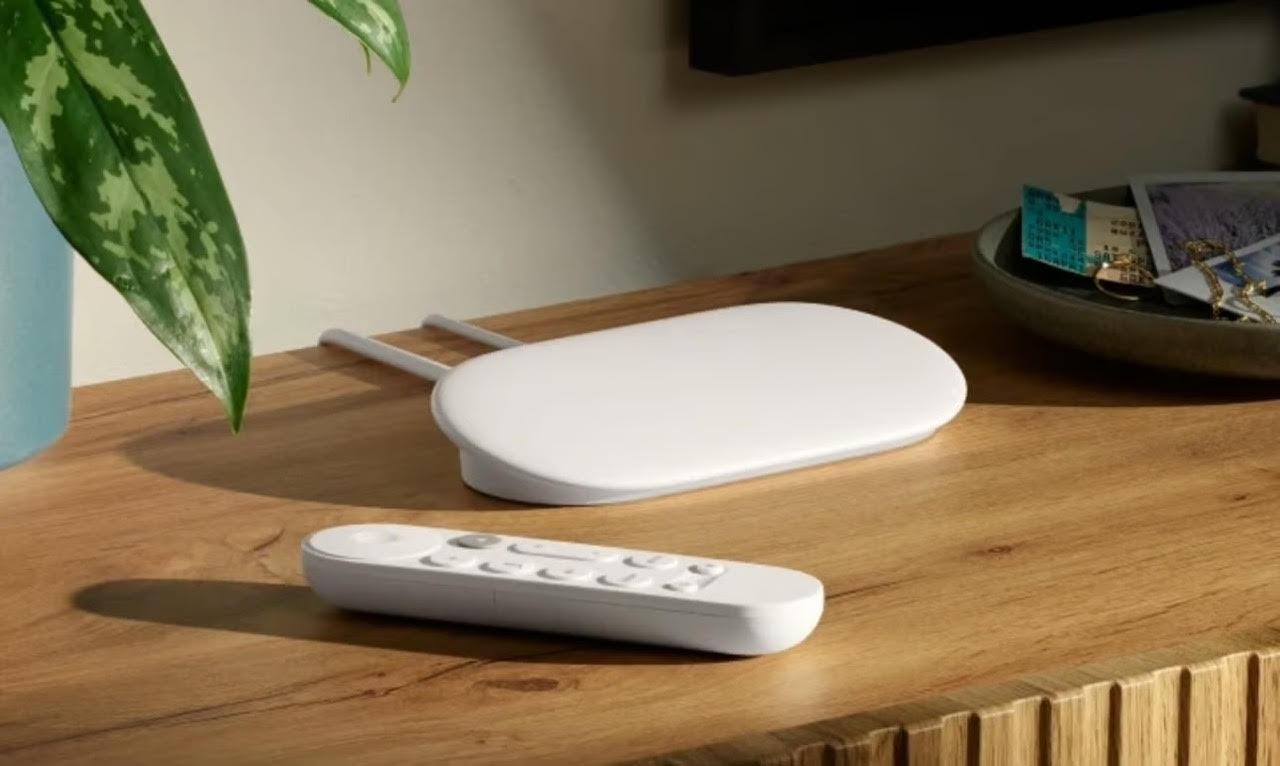
This trend is not merely about aesthetic improvements. Advanced features such as multiview—recently launched in beta by Fubo on Roku devices—require significant processing power that older, lower-end streaming sticks lack. The industry is currently witnessing a bottleneck where app developers are limited by the technical specifications of mass-market hardware.
Evidence suggests that this pressure is leading to two potential outcomes:

- Cloud-Based Processing: As seen with Synamedia’s recent developments, companies are exploring ways to shift storage and processing power into the cloud, reducing the reliance on high-performance local hardware.
- Premium Hardware Adoption: As Google’s $100 price point suggests, there is a clear segment of the market willing to pay for devices that can handle complex, multi-stream, and smart-home integrated experiences.
Ad-Load Dynamics and User Engagement
Data from the services company Wurl highlights a critical threshold for streaming platforms: ad fatigue. While connected TV viewing remains at historic highs—rivaling the engagement levels seen during the 2020 COVID-19 lockdowns—the monetization of this engagement is sensitive. Wurl’s research indicates that for every additional minute added to an ad break, platforms experience a 4% decline in viewer retention. This "light and lovely" ad load approach is becoming a central tenet for platforms attempting to balance profitability with the necessity of preventing user churn.
The Path Forward for Media Professionals
The departure of established voices from legacy media outlets mirrors the "closing in" of the creative economy. The trend toward paying writers nominal, per-post fees—as noted in recent recruiting efforts within the digital media space—reflects a commoditization of journalism that many experts fear will diminish the quality of information available to the public.

As the industry moves toward a future where AI-driven "personalities" and automated curation become the norm, the role of independent, human-led investigative work becomes increasingly essential. The transition of the "Next Text" column serves as a case study for this broader shift. By migrating to a direct-to-audience model, journalists are attempting to circumvent the cost-cutting mandates of corporate publishers, prioritizing the relationship with the reader over the dictates of a centralized content management system.
In conclusion, the media and technology sector is currently in a state of volatile transition. From the potential consolidation of satellite television providers to the technical race for streaming supremacy and the unsettling rise of AI-generated editorial content, the ground is shifting rapidly. The coming months will likely reveal whether the industry’s pivot toward automation and consolidation can yield long-term financial stability, or if it will simply alienate the audience that relies on expert, objective analysis to navigate a increasingly complex digital landscape.
Related posts: